
The EU will look to tighten up rules for issuing visas to Russian citizens in light of last month’s attempted attack on Leipzig airport, the EU’s foreign affairs chief says.
Up to three drones were discovered at Leipzig/Halle Airport last month. At least one of them contained explosives which had to be deactivated by a robot.
Yesterday, Germany authorities said that, after investigation, they believed Russia was behind the attempted attack.
Leipzig airport is a busy freight airport. It is also used for military transport and is the site for several Ukrainian aircraft.
The incident followed the “well-established pattern of Russian hybrid operations in Europe”, Germany’s Interior Minister, Alexander Dobrindt, said.
EU and NATO allies have been quick to offer Germany support and to condemn Russia.
Ukraine’s President Zelenskyy said he has also offered Germany its drone expertise.
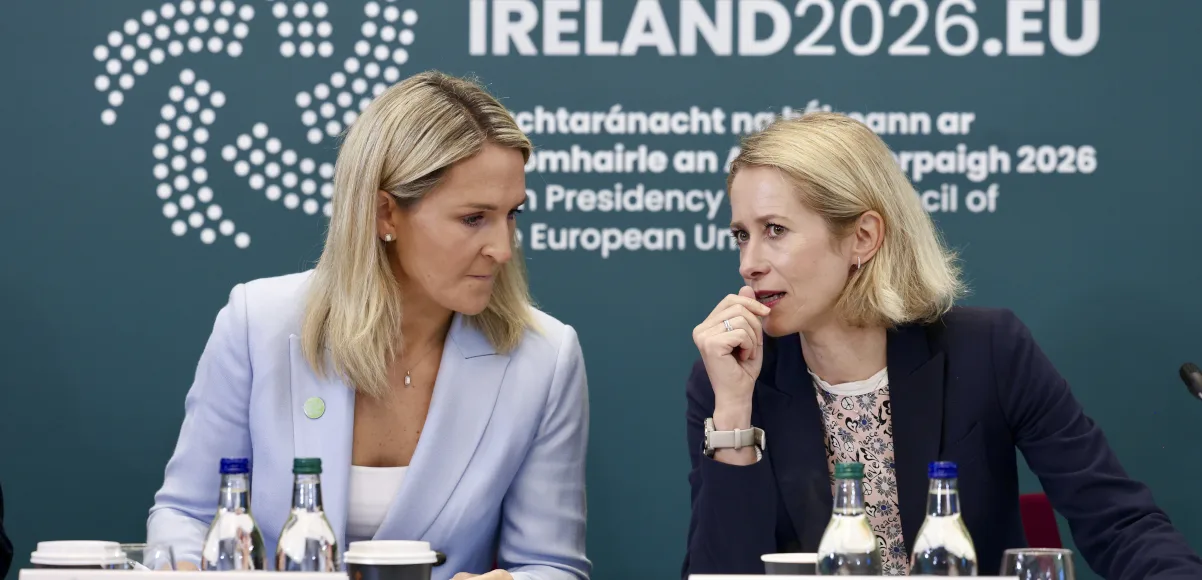
EU foreign ministers have been meeting today in Wicklow as part of Ireland’s presidency of the European Council.
It is understood they discussed events in Leipzig.
In a press conference this evening, the EU’s foreign affairs chief, Kaja Kallas, said she could not confirm reports that one of the alleged perpetrators of the attack had entered the European Union on an Italian tourist visa.
But she said it strengthened the argument for tightening up EU visas.
“We really need to curb the visas. It’s not okay that the country [Russia] is bombing Ukraine, killing civilians in July and August more than ever during this war. And at the same time, Russians are entering and enjoying the hospitality of European countries.”
There is already majority support – although not yet unanimous agreement – for banning visas for ex-Russian soldiers. Now it looks like there will be a push to go much further.
Ireland is not part of the Schengen zone so it issues its own visas. But Minister for Foreign Affairs, Helen McEntee, said Ireland would mirror what the rest of the EU decides to do.
“I do think there was a general agreement [amongst foreign ministers], albeit this is something we’ll need to discuss further given the informal nature of today, but that we would act further when it comes to EU visa entry bans, that we would look at ex-combatants and visas in that regard.
And while Ireland is not a member of Schengen, obviously any move that our member state colleagues will take, we will work in unison with them and we will support them in that regard.”