
The Health Products Regulatory Authority (HPRA) is urging people not to use cosmetic products that are over the date.
Six in ten Irish adults use cosmetics beyond their expiry or recommended shelf life, according to the HPRA.
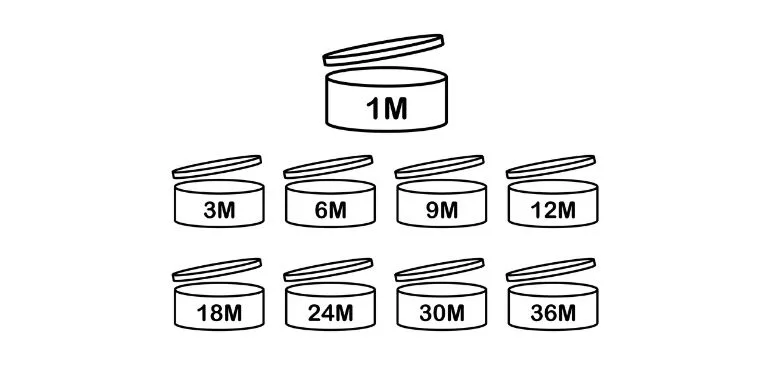
Under EU law, all cosmetics must feature an expiry date in the form of an ‘open pot’ symbol and the number of months the product can be used for, once opened.
A survey conducted for the HPRA suggests that six in ten people in Ireland are happy to use cosmetics beyond those recommended timelines.
The HPRA says doing so could pose health risks.
“When used as intended, cosmetics are generally very safe,” said Lisa Byrne, Cosmetic Product Manager at HPRA. “However, our research reveals a clear gap in consumer understanding and awareness on product shelf-life – and a tendency to overlook expiry guidance”.
Why or how could cosmetics become dangerous even though they are regarded as safe to begin with?
“Ingredients can degrade or become contaminated, especially if exposed to light, air and bacteria. This can lead to chemical changes or the growth of harmful microbes, which may make the product unsafe for use. For example, over time the active ingredients in sunscreen, UV filters, may lose potency or efficacy, reducing its effectiveness to protect our skin from sun damage. We urge consumers to pay close attention to expiry dates and the ‘open jar’ symbol on all cosmetic labels, and to responsibly discard products that have exceeded their safe-use period.”
What does the HPRA advise?
“Do not use a cosmetic product beyond its recommended usage period or expiry date. The label on most products will feature either an ‘open jar’ symbol or a ‘best before’ date (known as a date of minimum durability). To help track the safe-use period, write the date of opening directly on the product label, making it easier to follow the timeframe indicated by the ‘open jar’ symbol.”
“Follow the instructions on the label carefully.
“Ensure that the product is labelled with a European address. This means there is a company in Europe responsible for ensuring it complies with quality and safety requirements.
Only purchase cosmetics from reputable, trusted outlets. Products sold via unknown platforms or through unofficial channels may not meet safety standards or comply with EU regulations.”
In the survey the HPRA also found that more than a quarter (28 percent) of respondents had purchased what they suspected were counterfeit cosmetics. Of these, four in ten made their purchase online.
Over one in three (35 percent) reported experiencing a side effect from cosmetic products, most commonly skin irritation or rashes.
The study was carried out by Coyne Research on behalf of the HPRA.
A total of 1,000 people were surveyed with “quotas set on the number of interviews achieved in each demographic grouping (age, gender, region and social class) to ensure it matched the Irish population.”