
Nestled amongst trees in a rural corner of Belgium, close to the border with the Netherlands, sits an incongruous group of nondescript 1970s buildings.
Outside all is calm. But inside, more than 200 EU scientists are hard at work trying to solve problems many of which you didn’t know existed.
Welcome to the European Commission’s Joint Research Centre. One of five sites across the EU.
In these laboratories, researchers are focused on an eclectic array of tasks from measuring the size and composition of dust to testing anti-drone technology, from making sure airport scanners are fully functioning to setting new standards in nuclear safety.
This site in Belgium was set up in 1960 and is headed up by Irishman, Ciarán Nicholl, although, he confesses that he has spent more time living outside Ireland than at home.
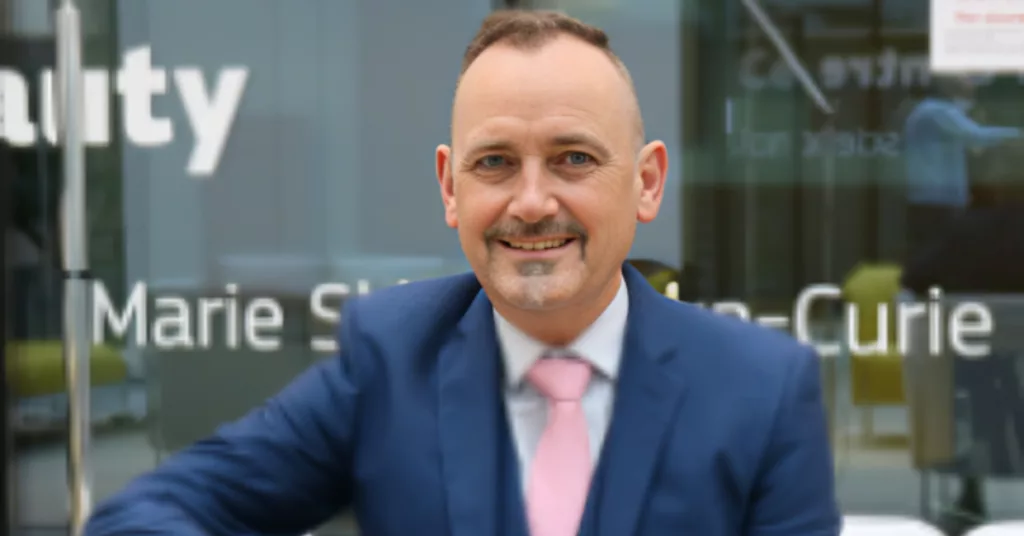
A research scientist himself, Ciaran Nicholl has been the boss here for two years.
During that time, the work of the Joint Research Centre (JRC) has come under renewed scrutiny.
With an annual budget of €600 million, there is a new pressure for the tinkering in the labs to translate into meaningful benefits for European citizens.
The shift, he says, came when Ursula von der Leyen started her second term as President of the European Commission.
Now, rather than purely reacting to requests from the EU to carry out experiments, the JRC is expected to work on cross cutting research.
“The Joint Research Centre provides independent, evidence-based knowledge and science, supporting EU policies to positively impact society”, he explained.
In the past, EU officials in Brussels would phone up and ask scientists to carry out experiments to provide the gold standard for new EU laws.
That work – from providing the evidence whether honey sold across Europe was the real thing to ensuring the diesel gate scandal doesn’t reoccur – is still going in.
But now there’s a more active role as well.
We have to “anticipate”, says Ciaran Nicholl. It’s about “looking ahead to be better prepared and providing the scientific underpinning for future policy initiatives.”
An example, is the border security lab, which aims to bring together different research including x-ray scanners, drug control and airborne pathogens to try to make Europe’s borders safer.
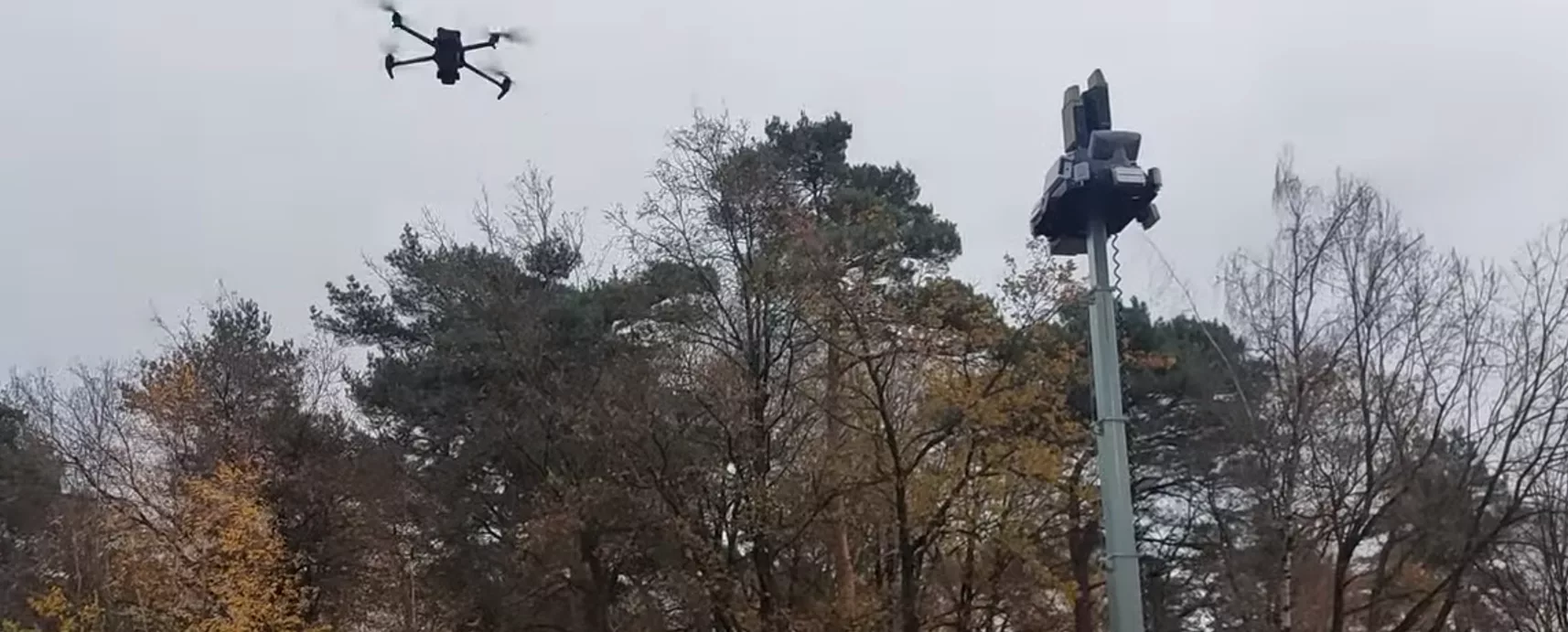
The latest addition to that list is how to combat drone incursions.
Countering drones is work that the JRC has been doing since 2019, according to one of their leading scientists on the project.
But now there is a new urgency.
At airports in Brussels, Copenhagen and Munich, hundreds of flights have been cancelled as a result of drone sightings.
In reaction, a number of member states, now backed by the EU, have called for the creation of a “drone wall”
European Commission President Ursula von der Leyen said the drone wall is “our response to the realities of modern warfare”.
The scientists are not the only ones who are sceptical, to say the least, over whether such a wall is possible. But they are working to up Europe’s defences.
At the research centre, they are testing technology to better detect, intercept and protect.
It is a complex task that must take into account snow in Finland and scorching heat in Portugal, drone attacks at night and the complication of high rise buildings and our insatiable desire for constant communications.
One device, for example – which looks like a cross between a machine gun and a violin case – is capable of neutralising a drone’s signal, but using it in the vicinity of an airport could pose a risk to incoming aircraft.
Another – a radar the size of a caravan – can be hooked up to a car to allow surveillance to be fairly quickly dispatched around Europe, but has a much more limited range than a permanent installation.
There is no easy solution and the technology is constantly evolving.
A stream of government officials, police and military experts have been visiting to try and find out what they need to do.
Some countries have gone ahead and splashed out on a load of kit, but the scientists here say putting all your eggs into one bit of tech will not be enough.
Ukraine – the drone war experts – also get intel from the scientists here.
The JRC “shares relevant scientific and technical findings with Ukraine through the appropriate channels and this includes a general technological assessment such as work of radio frequency detection sensors and other non classified counter drone research outputs, which we do here actually at these labs”, said the European Commissioner for Research, Ekaterina Zaharieva on a visit to the centre.
It’s only one of the many areas of research being carried at at the JRC. But one with particular relevance right now.
“Our purpose is very straightforward”, said Ciaran Nicholl. it is to provide “independent …evidence-based science and knowledge for the European Union”.
“In a world of disinformation, fake news, conspiracy theories and whatnot, I think now more than ever there is a need for evidence science.”