
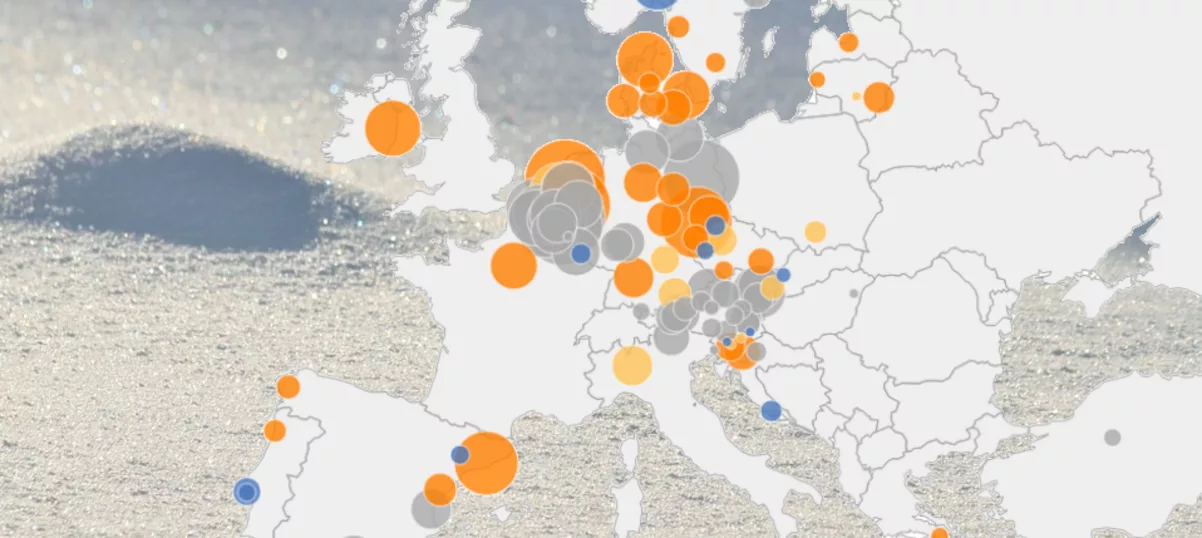
Traces of Ketamine in Dublin have increased by more than 40 percent in a year, according to a study by the European Union Drugs Agency (EUDA).
Researchers looked for traces of key narcotics in waste water in around 115 cities. The EUDA says the analysis allows them to “estimate community consumption” across Europe.
Compiling the data year on year means that the agency can flag changes in drug use and warn where the problem appears to be most prevalent.
The data suggests Dublin has seen a marked year-on-year decrease in the use of amphetamine. Cocaine use also appears to be down.
However, evidence of ketamine was up by 42.2 percent compared to the previous year.
The Health Research Board has warned about a developing ‘K culture’ in Ireland.
The changes in drug use in Dublin also appears to fit a Europe-wide pattern.
“This year’s findings highlight a marked decline in MDMA residues across the participating cities, alongside strong increases in ketamine and cocaine detections”, the EUDA said.
The study analysed daily wastewater samples in the catchment areas of wastewater treatment plants over a one-week period between March and May 2025.
Wastewater samples from a population of 72 million people were analysed for traces of five stimulant drugs (amphetamine, cocaine, methamphetamine, MDMA and ketamine) as well as cannabis.
Dr Lorraine Nolan, EUDA Executive Director, said:
“Europe’s wastewater tells the story of a drug phenomenon that is widespread, varied and in constant flux. This year’s study, covering 115 European cities, reveals a marked decline in traces of MDMA, alongside continued signs that cocaine and ketamine detections are on the rise.
Wastewater analysis helps us track these shifts early to better understand where attention and resources are needed and to inform evidence-based public health and policy responses across Europe.”