
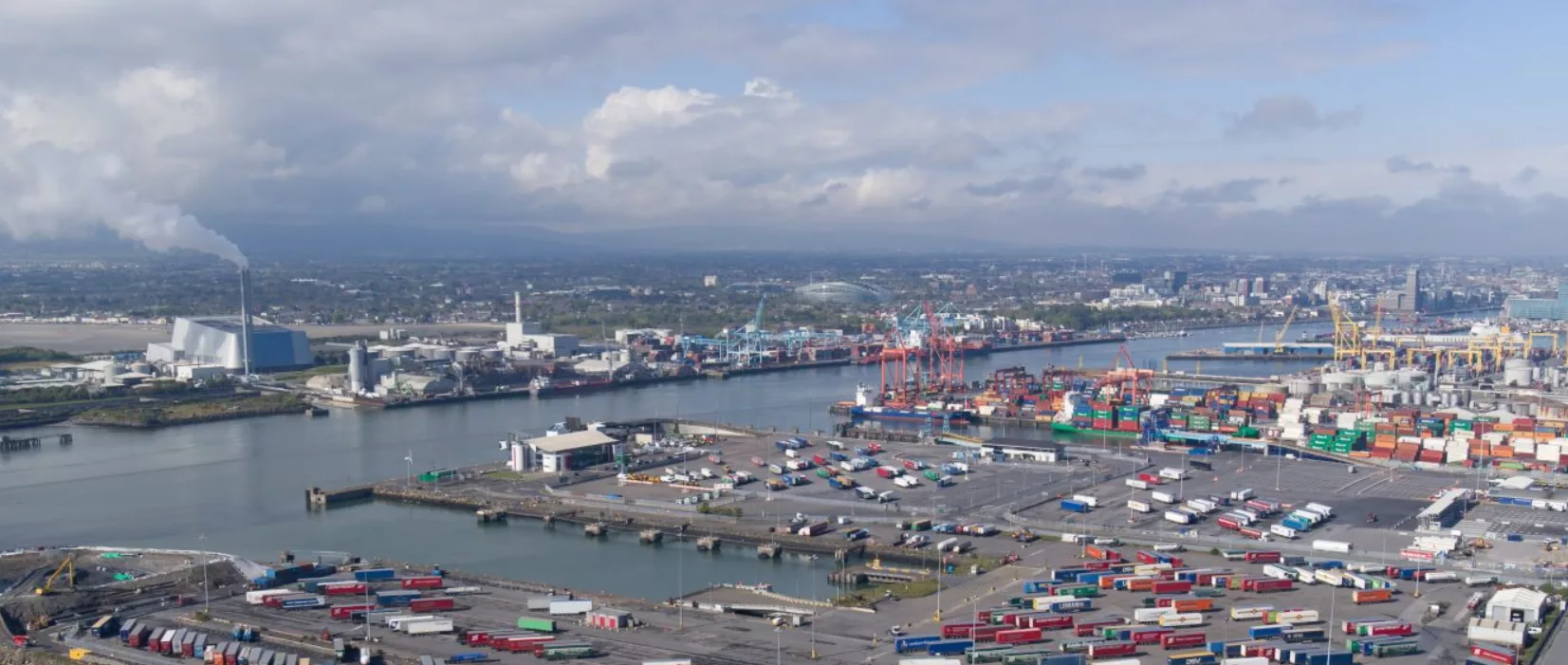
Ferries calling at Dublin produced more sulphur pollution than at any other port in Europe last year, according to a new report.
NGO, Transport & Environment (T&E) looked at ferry pollution at 50 major ports across Europe. It found that boats in Dublin, Barcelona and Naples are responsible for more sulphur (SOx) air pollution than cars.
Ferries in Dublin produced 92,081kg of sulphur emissions last year, more than any of the other ports in the study, according to T&E data.
Las Palmas in Spain, and Holyhead in Wales were in second and third place.
T&E also ranked the Dublin – Holyhead route as the fourth largest polluter of carbon dioxide behind two Finnish routes and Dover – Calais route between the UK and France.
“Ferries are a major source of air pollution, emitting sulphur dioxide (SOx), nitrogen oxides (NOx), particulate matter (PM) and black carbon (BC)”, says T&E.
But there could be better news ahead for Dublin.
From next year, the North-East Atlantic Emission Control Area (ECA) is due to come into force.
According to the World Wide Fund for Nature (WWF), the ECA will “reduce emissions of sulphur oxide (SOx), particulate matter (PM), and nitrogen oxide (NOx) from ships in the territorial seas and Exclusive Economic Zones (EEZ) of Greenland, France, Iceland, Ireland, Portugal, Spain, the United Kingdom and the Faroes.”
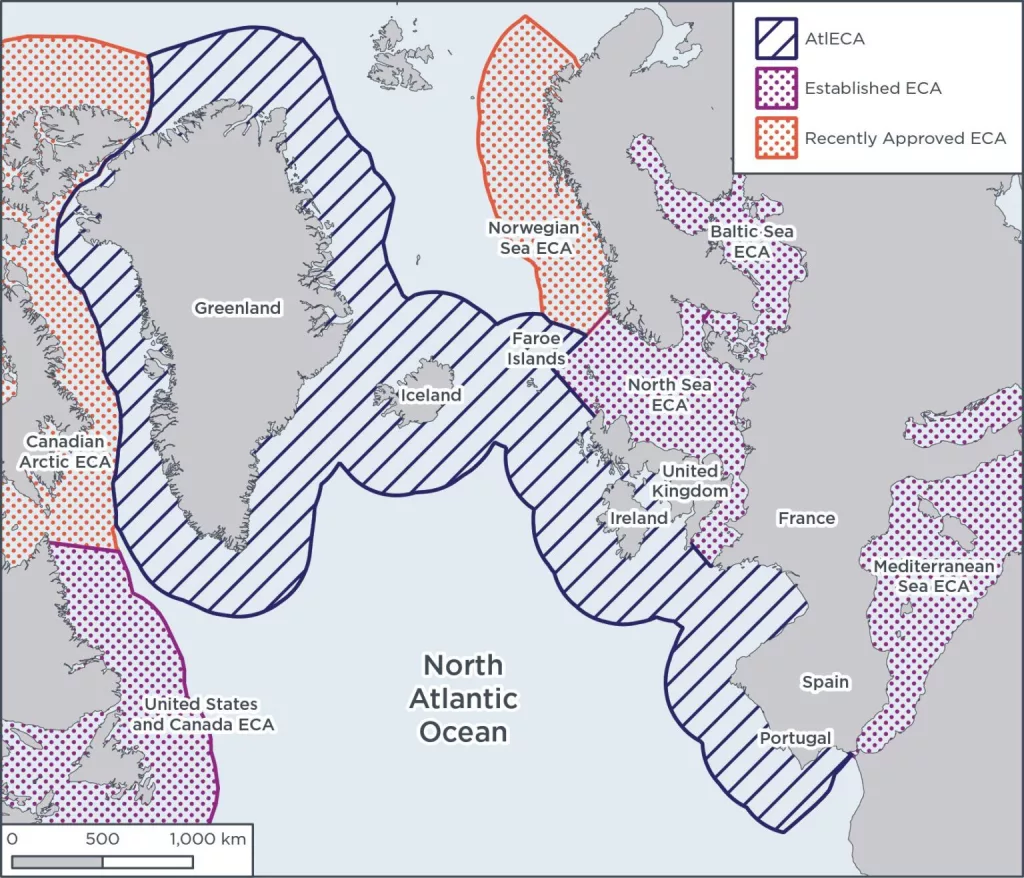
T&E says it expects ports – including Dublin – within the newly designated zone to dramatically cut pollution levels.
The North Atlantic EMA was approved by the International Maritime Organization (IMO) last year.
Environmental consultancy firm, Ricardo, has suggested that ferries on the Dublin – Holyhead route could potentially switch from oil to battery electric power.
Alternatively the engines on the existing ferries could be retrofitted to burn methanol instead.
T&E predicts that economies of scale and improving technology will make electric ferries more viable in the future.
“A shift to electric ferries offers a cost-competitive solution that is already starting to take off in Europe.
Unlike other parts of the shipping sector, ferries are easy to electrify, given their smaller size and fixed routes. T&E finds that at least 60 percent of Europe’s ferry fleet could run on battery power by 2035.”
Dublin Port has been approached for a comment on today’s report.