
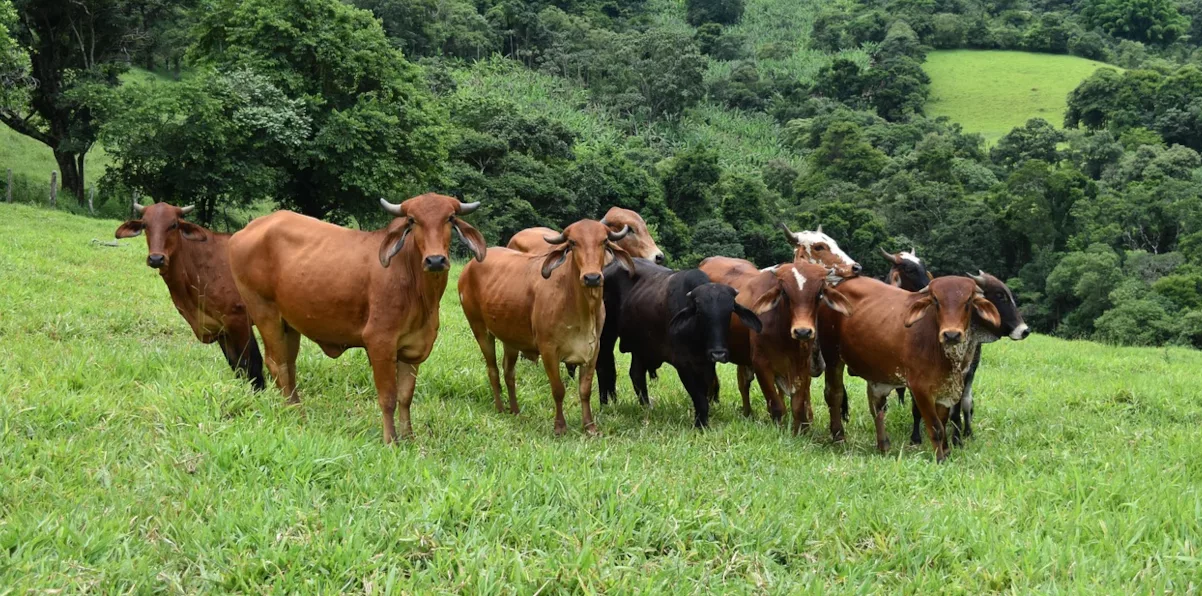
The European Union has suspended all meat imports from Brazil over antibiotic concerns.
The EU had threatened to impose the ban back in May due to the use of so-called antimicrobials by Brazilian farmers.
“Under EU rules, the use of antimicrobials [such as antibiotics, antivirals, antifungals, and antiparasitics drugs] to promote growth or increase yield in livestock is not allowed”, the European Commission warned at the time.
“Brazil will no longer be authorised to export to the [European] Union, food-producing animals and products of animal origin intended for human consumption,” a Commission spokesperson said this week.
The legally binding ban entered into force today.
“In the European Union we have a good, I would even say, the best quality of food in the world, which means the food coming to Europe is the subject to very strict checks,” said the European Commission’s health spokesperson, Eva Hrncirova.
Brazil will now not be able to export meat products including beef, chicken, milk and honey to the EU.
According to Brazilian news outlets, the government has been working to try to get the ban lifted, but so far without success.
The suspension of meat imports is “an important recognition of the very high standards that Irish and European poultry growers adhere to compared to what happens in Brazil,” according to Brendan Soden, Chair of IFA Poultry for the Irish Farmers’ Association.
“Anybody involved in poultry production in Ireland and indeed across the EU undertakes a large investment and complies with rigorous standards to provide assurances to consumers about what they are buying. The absence of regulations in Brazil could not be further from that,” he added.
Concerned by increasing levels of resistance to antibiotics, the EU has placed bans on antimicrobials imports since 2022.
EU experts were sent to Brazil over the summer to test meat products for traces of antimicrobials, according to local reports.
Brazil fears that it will lose around €1.5 billion per year in exports as a result of the ban.