
Non-native plants and animals are likely to continue to spread throughout Europe despite a concerted effort to tackle them, the European Environment Agency (EEA) has warned.
So-called invasive alien species – non-native plants, animals and other organisms introduced outside their natural environment – can cause huge harm to biodiversity and ecosystems, the EEA said.
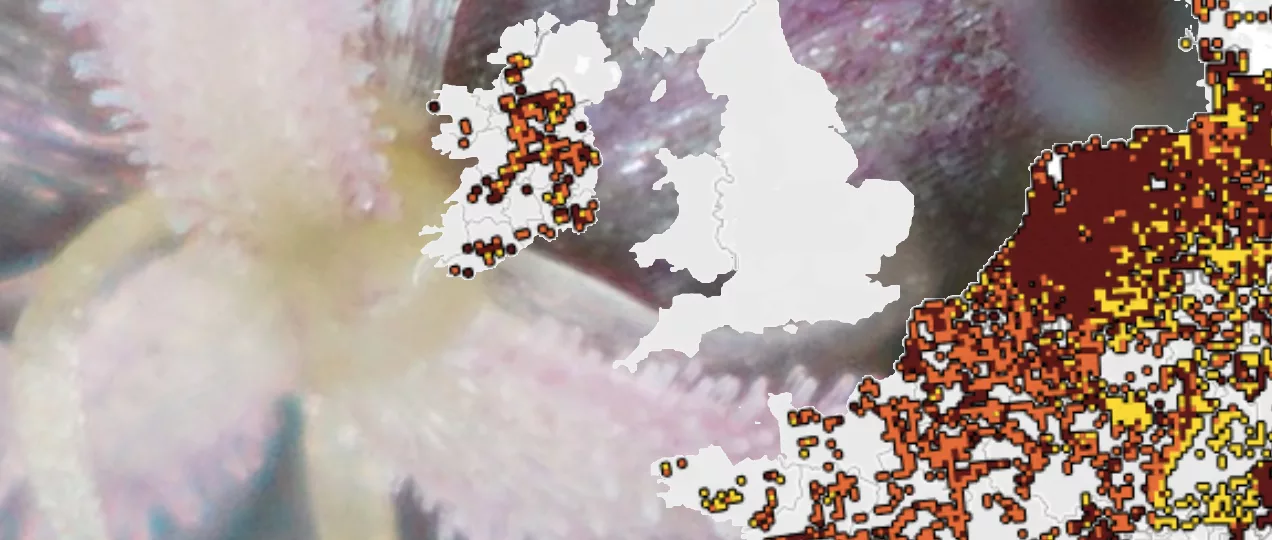
At least 14 invasive species of key concern are present in Ireland.
One of the most widespread is Nuttall’s waterweed, an aquatic plant from North America that is now found right across Ireland as well as in France, Belgium and Germany.
Environmentalists warn that Nuttall’s waterweed can choke waterways and lead to “local extinction”.
Under EU law it is illegal to import, trade or introduce the waterweed. But getting it under control is difficult and expensive.
Asian hornets are another invasive species that has been thriving in Europe. There have been a few cases of them being found in Ireland and Northern Ireland too.
Both the hornets and the waterweed are on the EU’s list of 88 invasive species of most concern.
The European Environment Agency says that there has been considerable success in fighting these species in recent years, but they would likely continue to spread.
“More than 300 rapid eradication response actions have resulted in almost 200 successful (full, partial or temporary) eradications of IAS [Invasive Alien Species] populations.”
“Despite progress, increased efforts are required as IAS continue to spread in the EU and new species are likely to be introduced,” the EEA said.
The EEA estimates that 14 of the most concerning species have settled in Ireland. France has at least 50 of them.
Ireland’s island position and harsher climate could go some way to explaining why more of them have not taken root.
Other invasive species of major concern found in Ireland include turtle-like animals called pond sliders and ornamental plants including Himalyan Balsam and Giant Hogweed.
“25 member states undertook more than 4,200 individual management actions targeting 61 IAS [Invasive Alien Species] of Union concern. Of these more than 1,400 (33 percent) resulted in complete, partial or temporary eradication,” the EEA said.
“Increasing efforts are required to reduce the spread and negative impacts from widespread invasive alien species.”