
The online Chinese fashion marketplace, Shein, has been facing questions in the European Parliament.
It follows reports of unsafe products and child-like sex dolls being found on the platform.
In December a court in Paris rejected a demand by the French government to ban Shein from operating for three months as a result of the sex dolls.
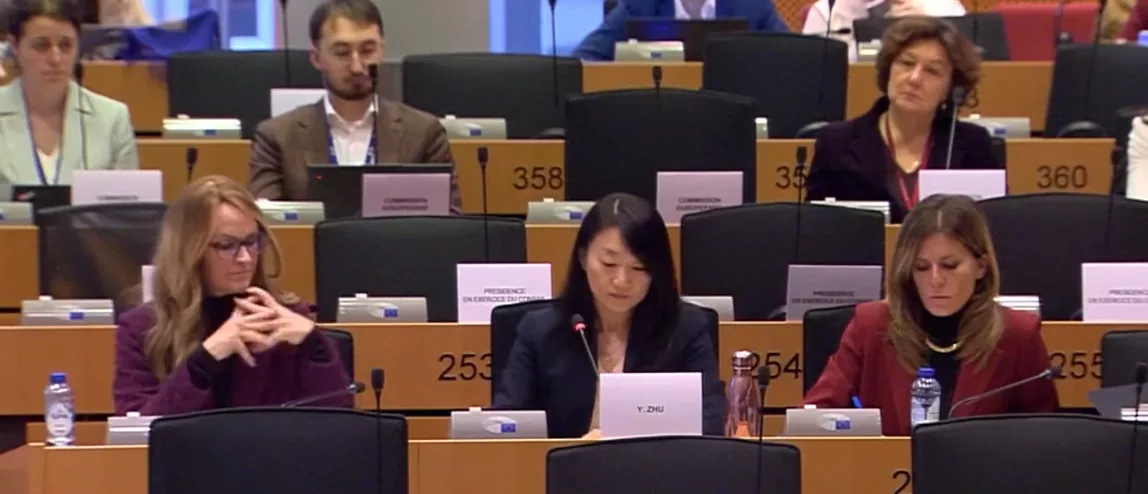
The European Parliament’s Internal Market Committee asked Shein to come to Brussels to answer questions on tackling the spread of illegal and unsafe products online.
Speaking in the European Parliament on Tuesday, the head of Shein’s Business Integrity Group for Greater Europe, Yinan Zhu, said the dolls were “totally unacceptable” and the company had reacted fast.
But some MEPs were not convinced that the company is doing enough to take fake, illegal or dangerous products.
Italian MEP, Brando Benifei, said there are 6,000 products being added to the platform every day, “so what proportion are being checked against the [EU’s] safety gate before going online?”
Yinan Zhu admitted that they are engaged in a game of cat and mouse.
“The bad actors will always try to find ways to circumvent the controls and system”, she said.
“What we have been doing and will continue to do, is to enhance the controls, find the gaps, identify the new tactics and risks [to] continuously improve that.”
Shein’s European headquarters opened in Dublin two years ago. That means Ireland is responsible for regulating the platform under the EU’s Digital Market’s Act.
The European Commission has designated Shein as a “Very Large Online Platform” under the law.
That means “measures must be implemented to protect consumers from purchasing unsafe or illegal goods, with particular focus on preventing the sale and distribution of products that could be harmful to minors.”