
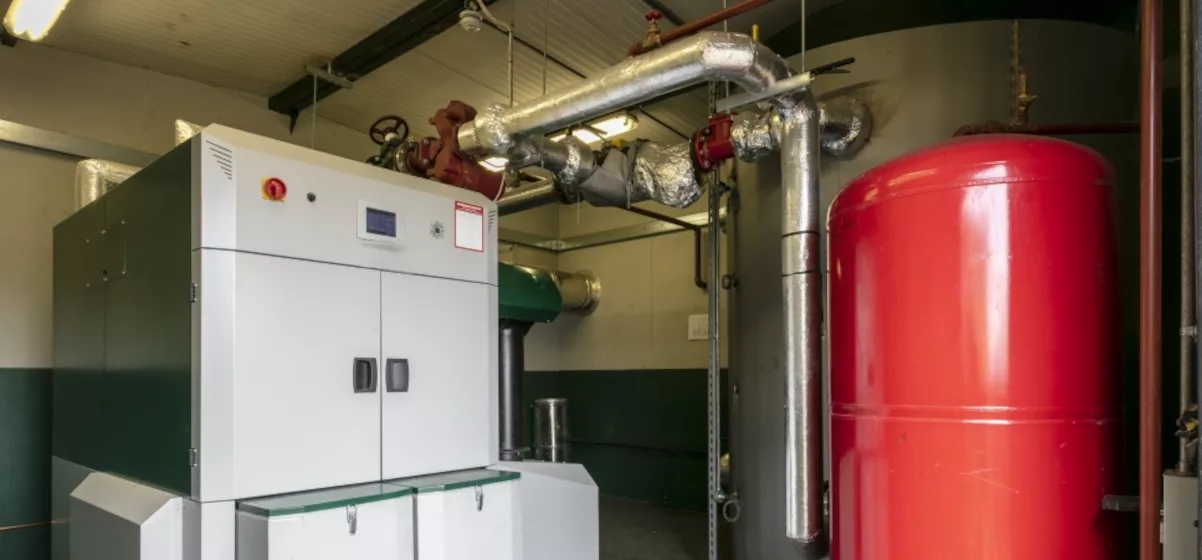
The EU has signed off on a €300 million support scheme to encourage Irish businesses to install renewable heat sources.
The European Commission sais the scheme will “contribute to Ireland’s 2030 targets under the Renewable Energy Directive, reduce greenhouse gas emissions and increase the renewable energy part in heating by about three percent.”
The Support Scheme for Renewable Heat (SSRH) is open to commercial, industrial, agricultural, district heating, public sector and other businesses.
The government says there are some successful examples already in operation.
Eligible renewable heating systems include biomass and anaerobic digestion heating systems, as well as high efficiency combined heat and power.
The European Commission confirmed that the support will take the form of tariffs paid per metered unit of useful renewable heat output.
The latest date on which aid can be granted under the scheme is 31 December 2030 and payments can be made to beneficiaries until 31 December 2047.
The scheme is only open to new installations and conversions from fossil fuel or inefficient direct electric heating systems to renewable ones.
To avoid overcompensation, the scheme includes project-specific budget caps, the European Commission said, as well as “annual tariff reviews” for new projects, and periodic reviews to address “possible windfall gains.”
In addition, beneficiaries of the scheme may not receive other aid for the same eligible costs, and biomass and biogas fuels used under the scheme have to comply with the sustainability and greenhouse gas emissions saving criteria under the Renewable Energy Directive.
“The Commission assessed the measure under EU State aid rules, in particular Article 107(3)(c) of the Treaty on the Functioning of the EU, and the Clean Industrial Deal State Aid Framework. The Commission concluded that the scheme is necessary, appropriate and proportionate to accelerate the deployment of renewable heat in Ireland and facilitate the development of renewable energy in Ireland without unduly distorting competition.”
According to the Sustainable Energy Authority of Ireland (SEAI), heating currently accounts for more than one-third of Ireland’s total energy demand and almost one-quarter of national greenhouse gas emissions, making it one of Ireland’s biggest climate and energy security challenges.
Approximately 90 percent of Ireland’s current heat demand is still met by fossil fuels, with around 80 percent dependent on imported energy sources.