
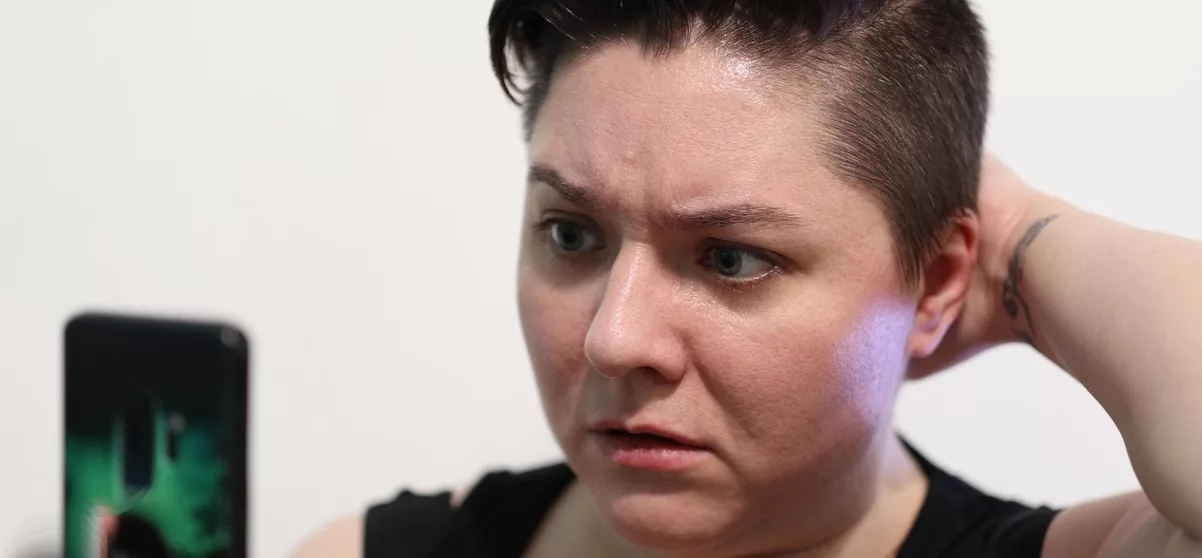
The European Commission has promised to work to stamp out online bullying, warning of a “worrying trend” in attacks online.
Ireland’s professional development service, Oide, provides training for teachers to allow them to spot cyberbulling and to know how to deal with it.
Hundreds of teachers have already undergone the training.
The HSE says cyberbullying can include spreading false rumours about someone online, hacking accounts or posting intimate images.
And it is a problem experienced, not just by children, but also by adults in the workplace.
The EU has promised to put in place an “Action Plan against cyberbullying” by next year. The European Commission has now launched a consultation on the issue.
European Commission Executive Vice-president for Tech, Henna Virkkunen, says bullying does not stop on the playground.
“Children and youth are increasingly exposed to cyberbullying that can harm their well-being at any time through smartphones and social media. We will tackle this worrying trend as part of our responsibility to make the online world a safer and empowering environment for the youngest of our societies.”
She is working with Glenn Micallef, the European Commissioner for Youth and Culture on the issue.
“The Internet must be a safe space, where people grow, learn and stay connected”, he said.
“But we must also acknowledge the risks in the online world.
Cyberbullying can affect anyone, and I’m committed to tackling this issue head-on. With our Action Plan, we are acting together to make online spaces safer for all. Cyberbullying has no place in our Union.”
According to EU data, around one in six adolescents are victims of cyberbullying. One in eight admit they are a cyberbully themselves.
The EU strategy will “focus on the protection of minors, while also considering other elements of cyberbullying, such as the gender dimension and the heightened vulnerability of certain groups of youth up to 29-years-old”, the European Commission promises.
There are already EU laws in place designed to protect children online.
Under the Digital Services Act, online platforms must actively police their platforms and protect against “societal harms”.
The National Youth Council of Ireland offers helpful information about cyberbullying and advice about what to do if you become a victim of it.