
Fishing quotas agreed amongst EU ministers for 2026 deliver a €94 million hit to Irish fishers, according to the industry.
Negotiations over the quotas over-ran into Saturday before an agreement could be reached.
Every year, the European Commission proposes quotas based on scientific advice. But it is up to EU fisheries ministers at the December Fisheries Council in Brussels to have the final say.
The proposals had already worried the Irish fishing industry because they signalled likely quota cuts.
The scientists argued that the survival of fishing stocks means catching less is a necessity.
Some of those cuts have now been confirmed in the final deal.
The Seafood Ireland Alliance (SIA) said this year’s agreement is a “betrayal of Ireland’s fishing industry”.
According to data analysed by SIA, Irish fishermen and women will have 57,000 tonnes less quota to fish in 2026.
That will cost the industry €94 million and put more than 2,000 jobs at risk, according to the Alliance.
“The outcome of this year’s Council and the actions of the member states will see our vessels limited to less than 20 days fishing a year with the tiny quotas left to catch”, said Dominic Rihan from the Killybegs Fishermen’s Organisation.
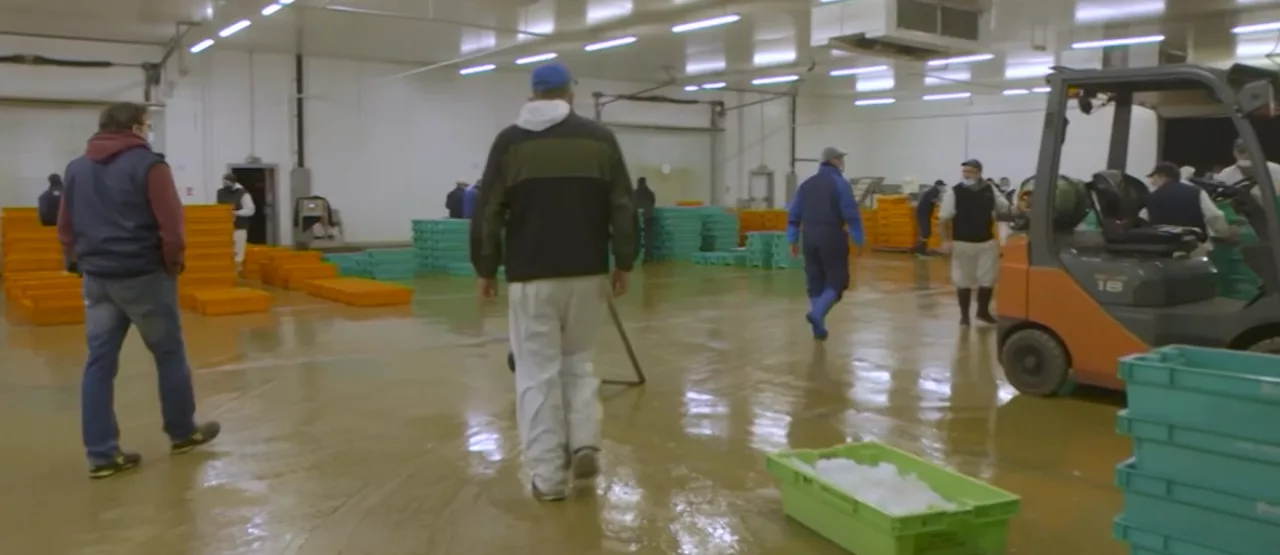
And there is also concern about the viability of the onshore industry too.
Processing plants cannot survive without supply. “Less quota means less fish and less work. Many plants may not survive this blow without raw material”, said Brendan Byrne from the Irish Fish Processors and Exporters (IFPEA).
The government also said it was disappointed by the quota decisions and pointed at three important stocks where quotas will be particularly severely cut.
“The advised 70 percent drop in the total allowable catch for mackerel is compounded by a 41 percent reduction in blue whiting and a 22 percent reduction in boarfish”, the Department of Agriculture, Food and the Marine warned.
“Given that Ireland holds the largest share of EU quota for mackerel in the western waters area, the devastating impact of the decline in this stock will be acutely felt.”
Minister Timmy Dooley TD who took part in the negotiations on Ireland’s behalf has now promised to set up a working group “to develop a framework of support for the sector to address the substantial challenges in the time ahead.”