
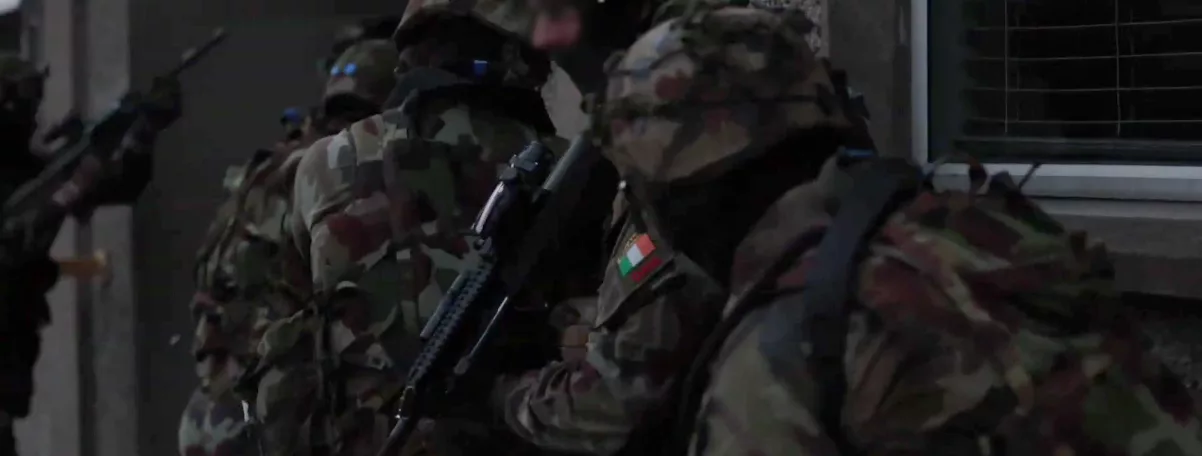
Ireland has violated the European Social Charter by refusing to pay Defence Forces sufficient compensation for overtime and working public holidays, the European Committee of Social Rights has ruled.
The committee is responsible for upholding the European Social Charter, a legally-binding treaty of the Council of Europe which Ireland ratified more than 25 years ago.
In its ruling published today, the committee rejected the government’s argument that Defence Forces should not receive overtime payments “unlike other areas of the public service…due to the nature of the duties performed”.
It also criticised the Ireland’s armed forces for inadequate attendance record-keeping.
“The absence of the system of recording time and attendance, which the government recognises, makes it impossible to determine the overtime actually worked and therefore the overtime to be paid for”, the committee said.
The government said it was in discussions with officials in the Department of Defence and military management on “the possibility of applying an interim enhanced time recording measure” to address the issue.
The government had argued that “retaining flexibility of working hours beyond the typical working day pursues the legitimate aim of public safety and national security.”
But the European Committee of Social Rights said that blank argument was insufficient.
EUROMIL, the European Organisation of Military Associations and Trade Unions, which took the case to the committee has welcomed the verdict.
“EUROMIL lodged the complaint after persistent concerns that members of the Irish Defence Forces were not benefiting from sufficiently clear and equitable arrangements governing working time and compensation — particularly when required to serve extended hours, perform overtime duties, or work on public holidays.
Such conditions are not merely technical employment matters; they directly affect the wellbeing, safety, and dignity of those in uniform”, the trade union said in a statement.
The European Social Charter is a legally-binding counterpart to the European Convention on Human Rights and the Irish government is expected to make changes to bring payments to armed forces personnel into line with European law.
The Defence Forces declined to comment directly on the Council of Europe’s decision, but pointed to a change in the law last year which ended a ban on the EU’s Working Time Directive applying to military personnel.
“The Defence Forces welcomed the removal of the blanket exemption from the Organisation of Working Time Act by Ministerial Direction in 2025 and the subsequent implementation of the Working Time Directive.
This exemption removal has enabled the Defence Forces to enhance the work life balance of its personnel, alongside implementing a number of initiatives to ensure our people’s time is valued. Leave and Time Off In Lieu (TOIL) protections, in addition to new allowances, remote and flexible working and family friendly policies ensure Óglaigh na hÉireann values its personnel.
Implementation of the Working Time Directive continues this year, with working groups assessing further protections that can be afforded to our personnel.”
The decision by the European Committee of Social Rights was made last year, but has only been made public today.